Hello Robot's Stretch 4 Demonstrated Live at TechCrunch Disrupt, Showcasing Home‑Assistance Robotics
Hello Robot CEO Aaron Edsinger unveiled Stretch 4 on the Real World AI Stage at TechCrunch Disrupt, proving the robot can perform everyday tasks for users with severe mobility impairments, a signal for enterprises seeking practical embodied AI.
 BuildPreview AI Desk
3 min read
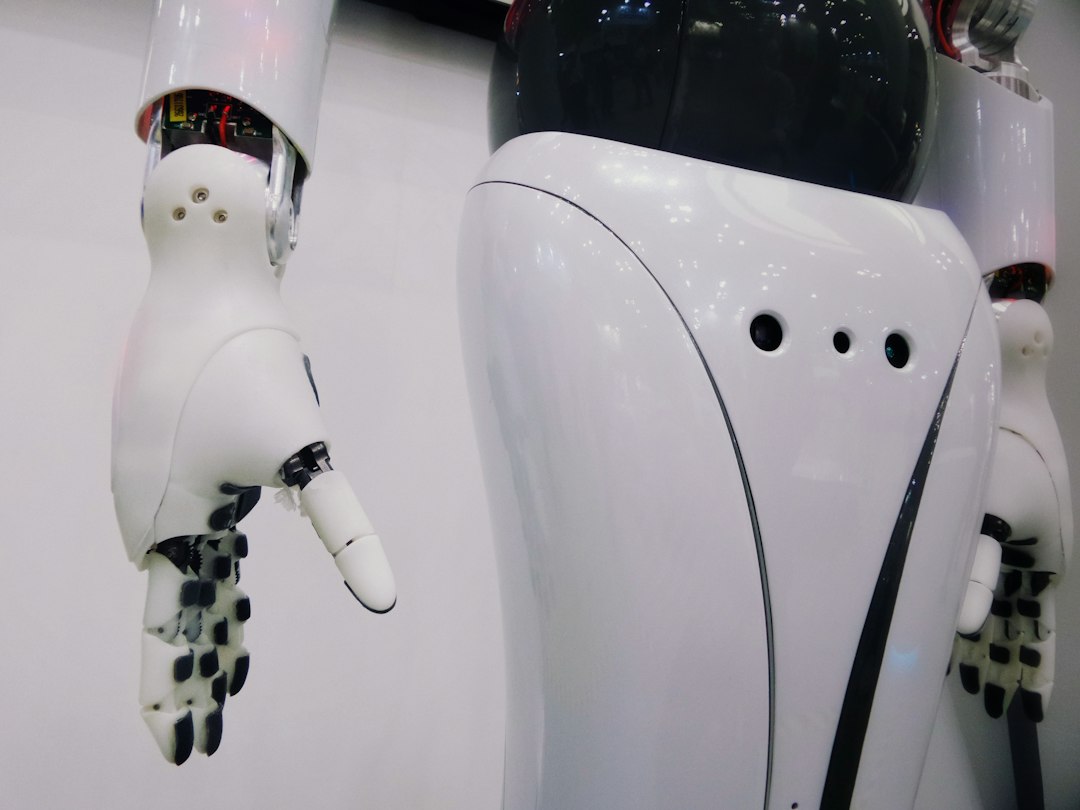
Hello Robot CEO Aaron Edsinger took the stage at TechCrunch Disrupt 2026 and let Stretch 4 close blinds, feed a user with quadriplegia, and scratch an itch, turning a lab prototype into a usable aid.
Key points
- Stretch 4 launched in May 2026 and its first production run sold out by June.
- The robot rolls on wheels and uses a single telescoping arm to reach and manipulate objects.
- Live demo showed the robot feeding a user, closing blinds, and scratching an itch for people with severe mobility impairments.
- Edsinger previously founded Meka Robotics and Redwood Robotics, both acquired by Google in 2013.
- Disrupt runs Oct 13‑15, attracting over 10,000 founders, investors, and 300+ exhibiting startups.
What happened
At the Real World AI Stage, Edsinger introduced Stretch 4 as "The Robot Built for Real Life, Not a Demo Reel," then let the machine navigate a mock living‑room setup. Sensors guided the robot around furniture while its arm lifted a cup, tipped it into a user's hand, and later pulled down a set of blinds. The demonstration continued with the robot using a soft brush to mimic scratching an itch on a mannequin.
The event coincided with a ticket‑savings promotion that offered up to $200 off before Sept 25 and a 50% discount for a plus‑one. Attendees could watch the robot operate alongside a human assistant, underscoring the company’s claim that usefulness, safety, and accessibility drive design.
The backstory
Hello Robot has spent the past six years iterating on customer feedback rather than chasing humanoid aesthetics. The company’s earlier models relied on legs and multiple arms, but Stretch 4 embraces a compact, wheeled chassis with a single telescoping arm to fit in spaces built for people. Edsinger’s background—building Meka Robotics and Redwood Robotics before their 2013 Google acquisition—gave him a full‑stack view of robot design, from mechanical engineering to human‑robot interaction.
Industry observers note that most recent robotics announcements focus on flashy humanoids capable of backflips or dance routines. Hello Robot’s approach flips that script, targeting tasks that matter to people with mobility challenges, such as feeding, handling glasses, and brushing teeth, as reported in a prior TechCrunch profile of a quadriplegic user.
Why practicality beats hype
The demo proved that a robot designed for everyday environments can deliver tangible value without the complexity of bipedal locomotion. Simpler mechanics reduce manufacturing cost and maintenance, making the platform more attractive to enterprises that need reliable assistants rather than eye‑catching showpieces. By open‑sourcing its full‑stack software, Hello Robot invites developers to build custom applications, expanding the ecosystem beyond the company’s own use cases.
Market implications for embodied AI
Enterprises evaluating embodied AI now have a reference point for scaling from prototype to production. Stretch 4’s sold‑out run suggests early market traction, especially among assistive‑technology providers and senior‑care operators. Competitors that continue to prioritize spectacle may find adoption slower, while firms that align robot capabilities with concrete workflows stand to capture revenue from health‑care, hospitality, and logistics sectors.
What builders and businesses should do
- Assess whether your target workflow requires a wheeled platform with a single arm rather than a full humanoid.
- Leverage Hello Robot’s open‑source stack to prototype task‑specific software before committing to hardware.
- Prioritize sensor suites that enable safe interaction in human‑occupied spaces; contact‑sensitivity proved essential in the live demo.
- Consider partnership models that bundle robot hardware with service contracts for maintenance and training.
- Track upcoming Disrupt sessions for emerging embodied‑AI use cases and potential integration partners.
The bottom line
Stretch 4’s live showcase signals a shift toward functional, accessible robotics. Watch for deployment announcements in health‑care and assisted‑living sectors later this year.